
High blood sugar during pregnancy, also known as gestational diabetes, is a condition of elevated blood sugar that occurs during pregnancy and usually disappears after delivery. During pregnancy, hormones secreted from the placenta may increase your body’s resistance to insulin. This condition may cause your blood sugar levels to rise. High blood sugar during pregnancy applies to those who did not have diabetes before pregnancy. Those who had diabetes before pregnancy should maintain control of their existing diabetes during pregnancy. High blood sugar during pregnancy may occur at any stage of pregnancy, but it is usually seen in the second trimester (14–26 weeks).
📞 For Information and Appointments: +90 212 287 57 75
💬 WhatsApp: +90 542 386 52 34
What Are the Harms of High Blood Sugar During Pregnancy?
High blood sugar during pregnancy brings various risks for both the mother’s and the baby’s health:
- Mother’s Health: High blood sugar may lead to problems such as preeclampsia, urinary tract infections, and birth complications.
- Baby’s Health: Problems such as macrosomia (large baby), birth trauma, respiratory distress, hypoglycemia (low blood sugar), and congenital anomalies may occur.
- Long-Term Effects: Both the mother and the baby are at risk of developing type 2 diabetes and cardiovascular diseases in the future.
What Are the Symptoms of High Blood Sugar During Pregnancy?
High blood sugar during pregnancy may have many symptoms, but sometimes no symptoms may be observed. Some common symptoms are:
- Excessive thirst
- Frequent urination
- Fatigue
- Blurred vision
- Abdominal pain
- Weight loss
If you notice any of these symptoms, it is important to consult your doctor immediately.
What Should Be Done If Blood Sugar Is High During Pregnancy?
If blood sugar is high during pregnancy, your doctor will determine an appropriate treatment plan for you. This plan usually includes the following steps:
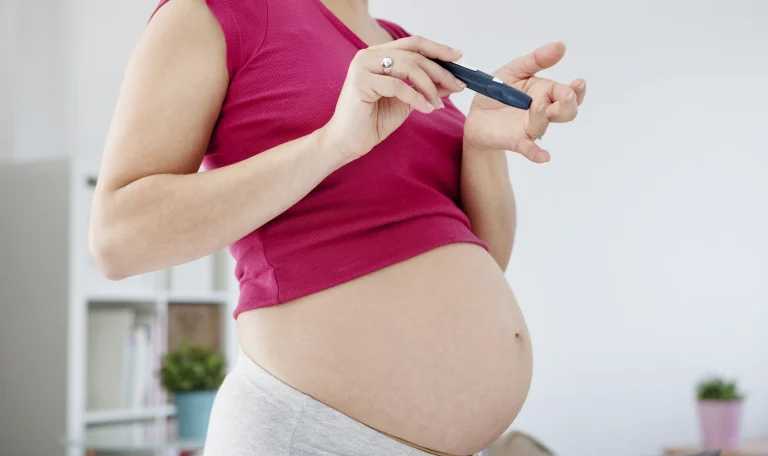
- Blood Sugar Monitoring: Your doctor will ask you to measure your blood sugar at certain times of the day. This will help you control your sugar levels.
- Dietary Changes: Your doctor and dietitian will prepare a personalized nutrition plan to keep your blood sugar balanced. Adjusting your carbohydrate intake and consuming healthy foods is important.
- Exercise Program: Regular exercise helps you control your blood sugar. Your doctor will recommend suitable exercise types and frequency for you.
- Medication Treatment: If nutrition and exercise are not sufficient, your doctor may prescribe insulin or oral antidiabetic medications.
- Regular Check-ups: Your doctor will ask you to regularly monitor your blood sugar throughout your pregnancy. Thus, you can take necessary precautions on time.
What Are the Effects of High Blood Sugar During Pregnancy on the Baby?
High blood sugar during pregnancy may negatively affect your baby’s health:
- Macrosomia: Excessive growth of your baby may lead to complications during delivery.
- Congenital Anomalies: High blood sugar may increase the risk of birth defects in your baby.
- Hypoglycemia: After birth, your baby’s blood sugar may be low.
- Respiratory Problems: High blood sugar may affect your baby’s respiratory system.
- Long-Term Effects: Your baby is at risk of developing problems such as type 2 diabetes and obesity in the future.
To minimize all these risks, strict control of high blood sugar during pregnancy is very important.
Nutritional Recommendations for Controlling High Blood Sugar During Pregnancy
Nutrition plays a very important role in controlling high blood sugar during pregnancy. Your doctor and dietitian will prepare a personalized nutrition plan for you. However, in general, the following recommendations are important:
- Adjust Carbohydrate Intake: Consume carbohydrate-containing foods (bread, rice, pasta, potatoes, etc.) in moderation to keep your blood sugar balanced.
- Consume Fiber-Rich Foods: Whole grain products, vegetables, fruits, legumes raise your blood sugar slowly.
- Pay Attention to Fat and Protein Intake: Foods such as oily fish, lean meat, legumes, and eggs help balance your blood sugar.
- Avoid Sugary Foods: Foods such as cakes, biscuits, candy, and jam rapidly increase your blood sugar.
- Consume Regular and Small Meals: Divide your food intake into 5–6 meals a day to keep your blood sugar stable.
- Drink Plenty of Water: Adequate fluid intake contributes to balancing your blood sugar.
📞 For Information and Appointments: +90 212 287 57 75
💬 WhatsApp: +90 542 386 52 34
Exercise Recommendations for Controlling High Blood Sugar During Pregnancy
Regular exercise is very effective in controlling high blood sugar during pregnancy. Your doctor will recommend suitable exercise types and frequency for you, but generally the following recommendations should be considered:
- Walking: Walking at least 30 minutes a day helps lower your blood sugar.
- Light Strength Exercises: Activities such as weight lifting, pilates, and yoga increase your muscle strength and balance your blood sugar.
- Regular Planning: Plan and implement your exercise routine daily/weekly.
- Appropriate Pace: Exercise at a pace that will not exhaust you. Avoid overexertion.
- Cooperation with Your Doctor: Determine your exercise program together with your doctor and monitor it regularly.
Medication Treatment for Controlling High Blood Sugar During Pregnancy
In some cases, nutrition and exercise may not be sufficient. Your doctor may recommend medication treatment to control your blood sugar:
- Insulin Therapy: Insulin is the most effective option for lowering your blood sugar. Your doctor will determine the appropriate insulin dose and application method for you.
- Oral Antidiabetic Drugs: Oral antidiabetic drugs such as metformin and glibenclamide may also be used to lower your blood sugar.
- Adjustment of Medication Dose: As your pregnancy progresses, your medication dose may also need to change. Your doctor will monitor this closely.
- Medication Use and Breastfeeding: After delivery, you may need to continue medication use during the breastfeeding period. Consult your doctor about this.
Monitoring and Regular Check-ups for Controlling High Blood Sugar During Pregnancy
Regular monitoring and check-ups are very important for effective control of high blood sugar during pregnancy:
- Blood Sugar Measurements: Your doctor will ask you to measure your blood sugar at certain times of the day. This allows you to closely monitor your levels.
- Doctor Visits: Throughout your pregnancy, you will meet regularly with your doctor. Blood sugar values, medication doses, nutrition, and exercise program will be reviewed.
- Gestational Diabetes Screening: Between the 24th and 28th weeks of your pregnancy, a screening test for gestational diabetes will be performed.
- Postpartum Check-ups: After delivery, it will also be checked whether your blood sugar has returned to normal.
These regular follow-ups and check-ups are very important for both your health and your baby’s health.
Support Groups and Resources for Coping with High Blood Sugar During Pregnancy
High blood sugar during pregnancy is a physically and psychologically challenging condition. However, you are not alone; many support resources are available:
- Support Groups: You can join online or local support groups where other pregnant women share experiences and where you can receive information and support.
- Healthcare Professionals: Your doctor, dietitian, and nurse will guide you throughout your pregnancy.
- Educational Resources: Reliable websites, books, and brochures will help you learn about high blood sugar during pregnancy.
- Family and Friends: Emotional support from your loved ones will give you strength in coping with this process.
Take care not to feel alone and to receive professional support.
Frequently Asked Questions and Answers About High Blood Sugar During Pregnancy
Does high blood sugar during pregnancy harm my baby?
Yes, if not controlled, high blood sugar during pregnancy may negatively affect your baby’s health. It may cause problems such as macrosomia, congenital anomalies, and hypoglycemia.
How does high blood sugar during pregnancy affect my health?
High blood sugar during pregnancy may cause problems threatening the mother’s health such as preeclampsia, urinary tract infections, and birth complications. It also increases your risk of developing type 2 diabetes and cardiovascular diseases in the future.
What should I do if my blood sugar is high during pregnancy?
Your doctor will present a treatment plan to help you control your blood sugar. This plan may include dietary changes, exercise, medication treatment, and regular check-ups.
What dietary changes should I make to lower high blood sugar during pregnancy?
It is important to adjust your carbohydrate intake, consume fiber-rich foods, focus on fat and protein sources, avoid sugary foods, and consume regular and small meals.
What exercises can I do to control high blood sugar during pregnancy?
As recommended by your doctor, especially walking, light strength exercises, and other activities performed at an appropriate pace blood sugar ## Conclusion High blood sugar during pregnancy carries significant risks for both the mother’s and the baby’s health. However, with the right methods, this problem can be effectively controlled. Regular blood sugar monitoring, healthy nutrition, regular exercise, and medication treatment when necessary are the main steps that should be applied to overcome high blood sugar during pregnancy. In addition, cooperating with healthcare professionals and support groups is also very important. Do not worry even if you encounter high blood sugar problems during your pregnancy. By working closely with your doctor, it is possible to have a healthy pregnancy and delivery. The important thing is to recognize this condition in time and take the necessary precautions to protect your baby’s and your own health. Fertijin can help you cope with high blood sugar during pregnancy with pregnancy-specific health products and consultancy services. Visit Fertijin for more information.