
What is Uterus-Preserving Fibroid Surgery: Uterus-preserving fibroid surgery is a surgical procedure that protects your uterine health and optimizes the recovery process. This surgery aims to remove fibroids (benign tumors) that develop in your uterus while preserving the uterus as much as possible. Compared to traditional fibroid surgeries, uterus-preserving fibroid surgery is less invasive and provides a faster recovery process. Uterus-preserving fibroid surgery is an important option especially for women of reproductive age. This surgery eliminates the symptoms caused by fibroids while preserving the functionality and integrity of your uterus. In this way, you can achieve a healthier uterus for your future pregnancy plans.
📞 For Information and Appointments: +90 212 287 57 75
💬 WhatsApp: +90 542 386 52 34
General information about uterine fibroids and fibroid surgery
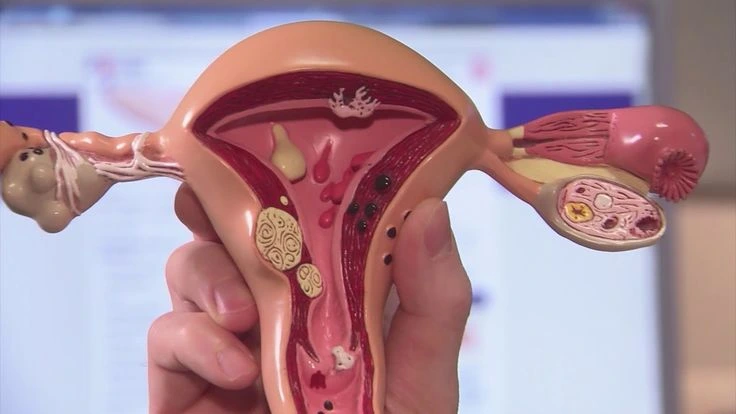
Uterine fibroids are benign tumors that develop in the muscular layer of the uterus. These tumors can appear in different sizes and numbers. Fibroids may cause various symptoms such as abdominal pain, menstrual irregularities, heavy bleeding, and frequent urination. Traditional fibroid surgeries involve the complete or partial removal of the uterus (hysterectomy). These surgeries may create negative effects on fertility and sexual functions. In contrast, uterus-preserving fibroid surgeries focus on preserving the uterus as much as possible.
Advantages of Uterus-Preserving Fibroid Surgery
The main advantages of uterus-preserving fibroid surgery are as follows:
- Preservation of Uterine Integrity: This surgery ensures that your uterus is preserved as much as possible. In this way, negative effects on your fertility and sexual functions are minimized.
- Faster Recovery Process: Since uterus-preserving fibroid surgeries are less invasive, the hospital stay and recovery period are shorter compared to traditional fibroid surgeries.
- Relief of Symptoms: This surgery effectively eliminates symptoms caused by fibroids (pain, bleeding, frequent urination, etc.).
- Suitability for Future Pregnancy Plans: Uterus-preserving fibroid surgery creates a healthier uterus for your future pregnancy plans.
- Lower Risk of Complications: Since uterus-preserving fibroid surgeries are less invasive, the risks of complications are also lower.
Recovery process after uterine fibroid surgery
After uterus-preserving fibroid surgery the recovery process is faster compared to traditional fibroid surgeries. Typically, patients can return to their normal daily activities within 2–4 weeks. The recovery process progresses as follows:
- First Days After Surgery: During the first 1–2 days after surgery, patients usually stay in the hospital. During this time, pain control, infection prevention, and other medical follow-ups are carried out.
- Recovery Period at Home: Patients are usually discharged within 2–3 days. During this period, painkillers, antibiotics, and other medications are used. Rest and recovery are important.
- Return to Daily Activities: Most patients can gradually return to their daily activities, work, and social life within 2–4 weeks.
- Full Recovery: The full recovery process is completed 4–6 weeks after surgery. During this period, patients can fully return to their normal activities and daily lives.
Risks and complications of Uterus-Preserving Fibroid Surgery
Uterus-preserving fibroid surgeries are generally safe and have low complication rates. However, some risks and complications may occur:
- Bleeding: There is a risk of uncontrolled bleeding during or after surgery.
- Infection: There is a risk of developing infection in the surgical area.
- Bladder or bowel injury: Rarely, bladder or bowel injury may occur during surgery.
- Thrombosis: There is a risk of blood clot formation in the legs (deep vein thrombosis).
- Organ damage: Very rarely, there is a risk of damage to other organs (bladder, bowel, etc.).
These risks are carefully managed by experienced surgeons, and complication rates are quite low. By having regular consultations with your doctor, you can discuss the risks and precautions in detail.
Suitable candidates for Uterus-Preserving Fibroid Surgery
Uterus-preserving fibroid surgery may be a suitable option for women with the following characteristics:
- Women of Reproductive Age: This surgery is an important option especially for women of reproductive age. Preserving the uterus is important for future pregnancy plans.
- Symptomatic Fibroids: Women experiencing symptoms caused by fibroids (pain, bleeding, frequent urination, etc.) are suitable candidates for this surgery.
- Those with Suitable Fibroid Size and Location: The surgery is the most suitable option for fibroids of certain sizes and locations. Your doctor will determine the most appropriate treatment method for your condition.
- Those with Good General Health: Women who are in good general health and suitable for surgery are ideal candidates for uterus-preserving fibroid surgery.
Follow-up and support after Uterus-Preserving Fibroid Surgery
After uterus-preserving fibroid surgery, regular follow-up and support are very important. The following steps will help you optimize the recovery process:
- Regular Doctor Check-ups: After surgery, you should have regular check-ups with your doctor. These check-ups are critically important for monitoring the recovery process, early detection of possible complications, and taking necessary precautions.
- Physical Activity and Rehabilitation: Starting physical activities gradually as recommended by your doctor and participating in rehabilitation programs will accelerate the recovery process.
- Nutrition and Lifestyle Changes: A healthy diet and lifestyle support the recovery process. It is important to follow your doctor’s recommendations.
- Psychological Support: Psychological support is also important during the postoperative period. If necessary, you can receive professional support.
- Fertijin Support: Fertijin will guide and support you during this process. By contacting your doctor, you can learn how to benefit from Fertijin.
Get help from Fertijin, which will guide and support you during the uterus-preserving fibroid surgery process. Fertijin will prepare a personalized recovery program with its experienced doctors and specialists and will follow up your postoperative care. Apply to Fertijin and protect your health in the best way.
Frequently asked questions about Uterus-Preserving Fibroid Surgery
How long does uterus-preserving fibroid surgery take? Uterus-preserving fibroid surgeries usually take between 2–4 hours. However, factors such as the number, size, and location of the fibroids may affect the duration of the surgery. How long is the hospital stay after uterus-preserving fibroid surgery? Most patients are discharged from the hospital within 2–3 days. However, this period may vary depending on individual conditions. How long does it take to return to work/daily activities after uterus-preserving fibroid surgery? Most patients can gradually return to work and daily activities within 2–4 weeks. It is important to follow your doctor’s recommendations. Is pregnancy possible after uterus-preserving fibroid surgery? Yes, pregnancy is possible after uterus-preserving fibroid surgery. However, you should consult your doctor for information about appropriate timing.
Differences between alternative treatment methods and Uterus-Preserving Fibroid Surgery
In the treatment of uterine fibroids, there are some alternative methods besides uterus-preserving fibroid surgery:
- Medication Treatment: Some medications can reduce the size of fibroids and decrease symptoms. However, this method does not provide a permanent solution.
- Embolization: In this method, the blood flow of fibroids is cut off, thereby shrinking them. However, the integrity of the uterus cannot be fully preserved.
- Radiofrequency Ablation: In this method, fibroids are destroyed with high-frequency radio waves. However, uterine integrity cannot be fully preserved here either.
- Uterus Removal (Hysterectomy): In this traditionally applied method, the uterus is completely removed. This may create negative effects on fertility and sexual functions.
Uterus-preserving fibroid surgery is less invasive compared to these alternative methods and preserves uterine integrity in the best possible way. It also provides a faster recovery process and offers a more suitable option for your future pregnancy plans.
Final thoughts and recommendations about Uterus-Preserving Fibroid Surgery
Uterus-preserving fibroid surgery is an important surgical option that protects your uterine health and optimizes the recovery process. This surgery offers an ideal solution especially for women of reproductive age. Uterus-preserving fibroid surgery is less invasive compared to traditional fibroid surgeries and provides a faster recovery process. In addition, by preserving the integrity of the uterus, it offers a significant advantage for your future pregnancy plans. Fertijin will guide and support you during this process. Fertijin’s experienced doctors and specialists will prepare a personalized recovery program for you and will follow up your postoperative care. By applying to Fertijin, you can protect your health in the best possible way.