
What does adenomyosis mean? What is Adenomyosis: Adenomyosis is the progression of the inner lining of the uterine muscle (endometrium) into the outer layer of the uterine muscle. This condition causes the uterine muscle to thicken and enlarge. Adenomyosis can lead to serious symptoms such as painful and heavy menstrual bleeding. Adenomyosis affects approximately 10–15% of women and is mostly seen in women between the ages of 40–50. However, it can also occur in younger women. Adenomyosis is a chronic condition that can negatively affect women’s quality of life.
📞 For Information and Appointments: +90 212 287 57 75
💬 WhatsApp: +90 542 386 52 34
What Causes Adenomyosis?
It can be said that the exact causes of adenomyosis are not fully known. However, some factors are thought to increase the risk of adenomyosis:
- Pregnancy and childbirth: Multiple pregnancies, cesarean delivery, or other uterine surgeries may increase the risk of adenomyosis.
- Hormonal factors: Changes in the balance of estrogen and progesterone may trigger the development of adenomyosis.
- Uterine anomalies: Uterine anomalies may predispose to the formation of adenomyosis.
- Genetic factors: Some genetic factors are thought to play a role in the development of adenomyosis.
- Age: Adenomyosis is generally seen in women between the ages of 40–50.
Symptoms of Uterine Enlargement
What is uterine enlargement? Uterine enlargement is a condition that can lead to various health problems in women, and its symptoms may vary from person to person. One of the most common symptoms is a feeling of fullness or bloating in the abdominal area. This feeling occurs because the enlarging uterus puts pressure on the surrounding organs. In addition, increased pain and heavy bleeding during menstrual periods may also be among the symptoms of uterine enlargement. Some women may also experience urinary and digestive system-related symptoms such as frequent urination or changes in bowel movements. Another important symptom of uterine enlargement is pain or discomfort during sexual intercourse. This condition may result from increased pressure and sensitivity in the pelvic area as the uterus enlarges. Lower back or back pain may also be observed in some women. If you experience one or more of these symptoms, it is important to consult a healthcare professional. Uterine enlargement may be caused by fibroids, adenomyosis, or other gynecological problems, and proper diagnosis and appropriate treatment planning are required.
Harms of Uterine Enlargement
Uterine enlargement can result from various causes and may have significant effects on women’s health. The most common causes include fibroids, adenomyosis, and thickening of the uterine lining (endometrial hyperplasia). Uterine enlargement can cause physical discomfort such as abdominal pain and bloating by putting pressure on surrounding organs. In addition, this condition may create pressure on the bladder and intestines, leading to frequent urination, urinary incontinence, and irregular bowel movements. Pain or discomfort during sexual intercourse is also among the frequently encountered symptoms. Uterine enlargement can also affect the menstrual cycle and may cause problems such as heavy bleeding, irregular periods, or severe pain during menstruation. This condition may lead to anemia and result in symptoms such as persistent fatigue and weakness. In addition, uterine enlargement may also contribute to infertility problems because abnormal growths within the uterus may make embryo implantation difficult. Therefore, it is important for women experiencing symptoms of uterine enlargement to consult a healthcare professional for appropriate diagnosis and treatment.
What Are the Symptoms of Adenomyosis?
Adenomyosis may cause the following symptoms:
- Painful and heavy menstrual bleeding
- Severe abdominal pain before and during menstruation
- Pain during intercourse
- Frequent need to urinate
- Chronic pelvic pain
- Heavy bleeding and clotting
Symptoms may vary from patient to patient. In some women, symptoms may be mild, while in others they may be quite severe.
How is Adenomyosis Diagnosed?
The following methods may be used for the diagnosis of adenomyosis:
- Ultrasound: It is used to measure the thickness of the uterine muscle and to visualize abnormal tissues within the uterus.
- Magnetic Resonance Imaging (MRI): It can show adenomyosis in more detail and help distinguish it from other uterine diseases.
- Biopsy: Examination of a sample taken from uterine tissue may be used to confirm the diagnosis of adenomyosis.
Your doctor will determine the appropriate diagnostic methods by evaluating your symptoms and medical history.
What is Adenomyosis Treatment?
Adenomyosis treatment varies depending on the severity of symptoms and the patient’s fertility plans. Treatment options may include the following:
- Medication Treatment: Pain relievers, hormone therapy (birth control pills, GnRH agonists, etc.), or other medications may be used to reduce symptoms.
- Surgical Treatment: In severe cases, surgical interventions such as removal of the uterus (hysterectomy) or removal of abnormal tissue in the uterine muscle (adenomyomectomy) may be performed.
- Alternative Treatments: Natural methods such as acupuncture, exercise, stress management, and dietary changes may be used to relieve symptoms.
Your doctor will determine the most appropriate treatment option for you.
Adenomyosis Surgery
Adenomyosis surgery In patients with severe symptoms who do not respond to other treatments, adenomyomectomy or hysterectomy may be performed as surgical treatment options.
- Adenomyomectomy: This is the procedure of removing only the abnormal tissue. This may be a suitable option for those who wish to preserve fertility.
- Hysterectomy: In severe cases, the entire uterus may be removed. This ends fertility but may permanently resolve symptoms.
Although surgical treatment is effective in reducing symptoms, there is also a risk of recurrence. Therefore, the most appropriate treatment option should be decided in close cooperation with your doctor.
Can Adenomyosis Turn Into Cancer?
Adenomyosis is a gynecological disorder characterized by the growth of the uterine lining (endometrium) into the uterine muscle layer (myometrium). This condition generally leads to symptoms such as severe pain and heavy bleeding during menstrual periods. Although adenomyosis has some symptoms that may be confused with cancer, it is a benign disease and does not directly turn into cancer. However, the presence of adenomyosis requires careful evaluation so that patients’ complaints are not confused with other serious gynecological problems. However, the relationship between adenomyosis and cancer may be indirectly important. Patients with adenomyosis, especially when untreated, may experience negatively affected general health status and quality of life. Therefore, it is important for women experiencing symptoms of adenomyosis not to neglect regular gynecological check-ups. Early diagnosis and appropriate treatment may help manage symptoms and maintain quality of life. Although adenomyosis does not turn into cancer, medical evaluation is essential for the early diagnosis of other serious conditions that present similar symptoms.
Frequently Asked Questions About Adenomyosis
Does adenomyosis affect pregnancy? Yes, adenomyosis may negatively affect pregnancy. Increased uterine size and contractions may cause preterm birth, placental problems, and other complications. Does adenomyosis cause infertility? Adenomyosis may cause infertility by affecting egg and sperm mobility. However, it does not cause infertility in all cases. Can adenomyosis be treated? Yes, adenomyosis can be treated with various methods. Options such as medication treatment, surgical treatment, and alternative therapies are available. Can adenomyosis recur? Yes, adenomyosis may recur after treatment. There is a risk of recurrence especially after surgical treatment.
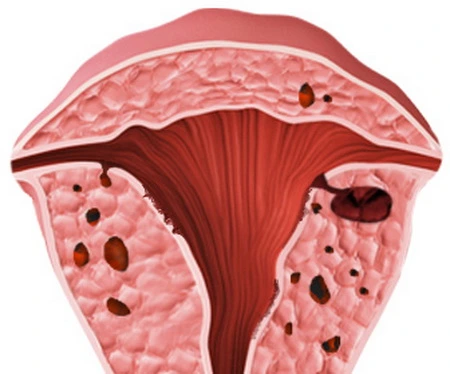
Natural Treatment Methods That Can Be Applied at Home for Adenomyosis
The following natural methods may be tried to relieve adenomyosis symptoms:
- Heat application: Applying a hot water bottle or warm compress to the abdominal area may reduce pain.
- Exercise: Regular light exercise may reduce pain and spasms.
- Stress management: Stress-reducing techniques such as yoga, meditation, and deep breathing exercises may improve symptoms.
- Dietary changes: Consuming anti-inflammatory foods may relieve symptoms.
- Herbal treatments: Some herbal supplements (cinnamon, ginger, curcumin, etc.) may help control pain and bleeding.
These natural methods should be applied under the recommendation and supervision of your doctor.
Relationship Between Adenomyosis and Pregnancy
Adenomyosis may have negative effects on pregnancy:
- Difficulty in fertilization and implantation: Adenomyosis may affect egg and sperm mobility, making fertilization and implantation more difficult.
- Risk of preterm birth: Adenomyosis may increase the risk of preterm birth due to excessive growth and contractions of the uterine muscle.
- Placental problems: Adenomyosis may cause placental abnormalities (placental abruption, placenta previa, etc.).
- Birth complications: Adenomyosis may lead to complications such as difficult labor, excessive bleeding, and the need for cesarean section.
If adenomyosis is detected in pregnant women, your doctor will closely monitor the pregnancy process and take appropriate precautions.
Adenomyosis Prevention Methods
Although adenomyosis cannot be completely prevented, the risk may be reduced by taking the following measures:
- Using birth control methods regularly
- Minimizing uterine surgeries
- Adopting a healthy lifestyle (balanced nutrition, regular exercise, stress management)
- Attending regular check-ups if there is a family history
- Early recognition of symptoms and consulting a doctor
These measures may help reduce the risk of adenomyosis and better manage symptoms.
Adenomyosis Treatment Process and Recovery Process
Adenomyosis treatment is individualized according to the patient’s symptoms, age, and fertility plans. The treatment process may be as follows:
- Medication Treatment: It may take 3–6 months to control symptoms.
- Surgical Treatment: The recovery period after adenomyomectomy or hysterectomy may take 4–6 weeks.
- Natural Treatments: A long-term approach may be required to relieve symptoms.
The recovery process may vary depending on the patient’s general health status, treatment method, and whether complications develop. Your doctor will determine a personalized treatment plan and follow-up process for you.
Living with Adenomyosis: Lifestyle Recommendations
Living with adenomyosis may require the following lifestyle changes:
- Pain management: Pain should be controlled with methods such as painkillers, heat applications, and exercise.
- Stress management: Yoga, meditation, and relaxation techniques may help reduce stress.
- Dietary changes: Consuming anti-inflammatory foods may relieve symptoms.
- Regular check-ups: It is important to closely monitor the treatment process with regular check-ups with your doctor.
- Sexual life adjustments: Changes in position and timing may be made to reduce pain during intercourse.
- Social support: Support from family, friends, and healthcare professionals may be effective during the recovery process.
These changes may help improve quality of life with adenomyosis.
What You Need to Know About Adenomyosis
Adenomyosis is a chronic condition that may negatively affect women’s quality of life. However, with correct diagnosis and appropriate treatment methods, symptoms can be controlled and quality of life can be improved. It is important to recognize adenomyosis symptoms early, consult a doctor, and actively participate in the treatment process. In addition, adopting a healthy lifestyle may help manage symptoms. If you have any concerns about adenomyosis, please consult your doctor. Fertijin serves as a platform that can help you in this regard. To learn more about adenomyosis and receive expert support, visit Fertijin .