
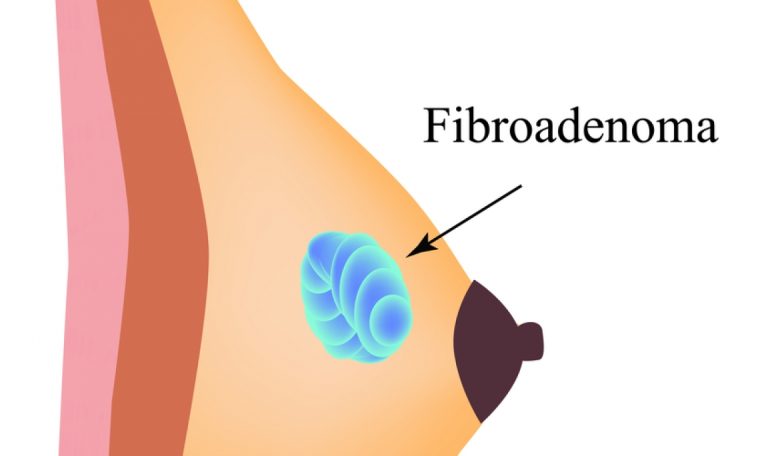
What Is Fibroadenoma What does fibroadenoma mean: Fibroadenoma is a benign (non-cancerous) tumor located in breast tissue. This tumor, which forms as a result of the excessive proliferation of breast glands and connective tissues, is usually seen as a single and movable mass. Fibroadenomas are frequently seen in women between the ages of 20-50 and may occur in different areas of the breast. Fibroadenoma is a condition that does not carry the risk of turning into breast cancer. However, in some cases, it may grow rapidly and disrupt the appearance of the breast. Therefore, regular monitoring of fibroadenomas and treatment when necessary are important.
📞 For Information and Appointments: +90 212 287 57 75
💬 WhatsApp: +90 542 386 52 34
What Are the Symptoms of Fibroadenoma?
Where in the breast does fibroadenoma occur? Fibroadenoma is a benign (non-cancerous) tumor that forms in breast tissue. This tumor develops as a result of excessive proliferation of breast glands and connective tissues. Fibroadenomas are generally a single and movable firm mass seen in the form of. The most prominent symptoms of fibroadenoma are as follows:
- A single, movable mass felt in the breast tissue
- Growth occurring in the mass
- Change in breast appearance
- Pain or tenderness sensation
Fibroadenomas are generally painless masses and have a soft consistency. However, pain and tenderness may sometimes also be seen. Masses may grow or shrink over time. Fibroadenomas are generally seen on one side, but rarely they may occur in both breasts. In addition, it is also possible for more than one fibroadenoma to develop in the same person.
Fibroadenoma Pain
Although fibroadenoma is generally known as a painless mass, it may cause pain and discomfort in some women. This pain usually occurs with hormonal changes, especially during the menstrual cycle, and may be felt together with breast tenderness. The size and location of the fibroadenoma may affect the severity of the pain; some women may feel more discomfort as the mass grows. Especially large fibroadenomas may cause pain by putting pressure on the surrounding breast tissue. Although fibroadenoma pain is generally not a sign of a serious health problem, it may be disturbing and reduce daily quality of life. For pain management, doctors may generally recommend painkillers or treatments that may help maintain hormonal balance. In addition, lifestyle changes such as applying hot or cold compresses, wearing a supportive bra, and reducing caffeine consumption may also help reduce pain. If the pain is severe or the fibroadenoma is growing rapidly, surgical intervention may also be an option. In any case, regular doctor check-ups are important for monitoring breast pain and masses.
Causes of Fibroadenoma
Although the causes of fibroadenomas are not fully known, some factors are thought to be effective:
- Hormonal changes: Imbalance of hormones such as estrogen and progesterone may contribute to the formation of fibroadenomas.
- Genetic factors: Some families may have a genetic predisposition due to fibroadenomas being seen more frequently.
- Pregnancy and childbirth: Changes in hormone levels during pregnancy and postpartum periods may trigger the formation of fibroadenomas.
- Nutrition and lifestyle: Unhealthy eating habits and a sedentary lifestyle may increase the formation of fibroadenomas.
Types of Fibroadenoma
Fibroadenomas are divided into two main groups:
- Intracanalicular Fibroadenomas:
- Fibroadenomas formed inside the breast ducts
- More common type
- They generally form softer and movable masses
- Extralobular Fibroadenomas:
- Fibroadenomas formed outside the breast lobules
- They form harder and less movable masses
- They are seen less frequently
Fibroadenomas can also be classified according to their size:
- Small Fibroadenomas: Smaller than 2 cm
- Medium-Sized Fibroadenomas: Between 2-5 cm
- Large Fibroadenomas: Larger than 5 cm
Fibroadenoma Pain
Although fibroadenoma is mostly known as painless, disturbing pain may be felt for some women. This pain is generally related to hormonal changes and tends to occur especially during the menstrual cycle. Since fibroadenoma causes tissue changes in the breast, breast tissue may become sensitive during this process and the feeling of discomfort may increase. In addition, the size and location of the fibroadenoma may also affect the severity of the pain; in some cases, large fibroadenomas may cause pain by putting pressure on surrounding tissues. Various approaches are available to manage fibroadenoma pain. Doctors generally may recommend painkillers to relieve pain or medications to maintain hormonal balance. In addition, lifestyle changes such as applying hot or cold compresses, using a supportive bra, and limiting caffeine intake may also help reduce pain. If the pain persists or growth in the mass is observed, surgical intervention may be required. Therefore, it is important for women experiencing fibroadenoma symptoms to attend regular health check-ups and share their symptoms with their doctors.
How Is Fibroadenoma Diagnosed?
Fibroadenomas are generally diagnosed through physical examination and imaging methods. Your doctor may follow the steps below:
- Physical Examination: Your doctor may detect the mass suspected of fibroadenoma by examining the breast tissue manually.
- Imaging Methods:
- Mammography: Imaging of breast tissue with X-rays
- Ultrasonography: Imaging of breast tissue with sound waves
- Magnetic Resonance Imaging (MRI): Imaging of breast tissue using magnetic fields
- Needle Biopsy: Examination of cell samples taken from the suspicious mass
Thanks to these methods, fibroadenoma can be diagnosed and distinguished from other breast lesions (for example, cyst, cancer).
Does Fibroadenoma Grow?
Fibroadenoma is generally considered a benign tumor and may grow in some cases. So, does fibroadenoma grow? These tumors consist of fibrous and glandular components of breast tissue, and their sizes usually vary between 1 and 5 centimeters. The growth of fibroadenomas is related to hormonal changes; especially hormonal fluctuations during the menstrual cycle may affect the size of these masses. While fibroadenomas may grow over time in some women, their size may remain stable or even shrink in others. The answer to the question of whether fibroadenoma grows depends on individual hormonal conditions. The growth of fibroadenoma is generally not a concerning condition because these masses usually do not turn into cancer. However, when rapid growth or shape change is observed, careful monitoring and examination may be required. Doctors may use imaging methods such as ultrasound or mammography to evaluate such changes. In addition, growing fibroadenomas may be surgically removed. Therefore, regularly monitoring the growth tendency and condition of fibroadenomas is important for women’s health.
Diagnosis and Detection of Fibroadenoma
What causes fibroadenoma? The following steps are followed for the diagnosis of fibroadenoma:
- Physical Examination: Your doctor detects the mass suspected of fibroadenoma by examining the breast tissue manually.
- Imaging Methods:
- Mammography: Imaging of breast tissue with X-rays is used to evaluate the mass and its features.
- Ultrasonography: Imaging of breast tissue with sound waves is used to characterize the mass and distinguish it from other lesions.
- Magnetic Resonance Imaging (MRI): Imaging of breast tissue using magnetic fields may provide additional information, especially in complex cases.
- Needle Biopsy: Examination of cell samples taken from the suspicious mass is used to establish a definitive diagnosis.
Thanks to these methods, fibroadenoma can be diagnosed and distinguished from other breast lesions (for example, cyst, cancer).
What Is Fibroadenoma Surgery?
Fibroadenoma surgery is the surgical removal of the fibroadenoma in breast tissue. This surgery is generally recommended in the following cases:
- Rapid growth of the mass
- Deterioration in breast appearance
- Pain or discomfort sensation
- Suspicious changes in the mass
- Patient request
Fibroadenoma surgery is generally performed under local anesthesia. The doctor removes the mass together with the surrounding healthy tissue. After surgery, the breast appearance usually returns to normal.
Can Fibroadenoma Turn Into Cancer?
Fibroadenomas are benign tumors commonly seen in breast tissue in women and generally do not turn into cancer. These tumors consist of fibrous and glandular components of breast tissue and are usually seen in young women, especially individuals under the age of 30. The risk of fibroadenomas turning into cancer is very low, therefore they are generally considered harmless. However, although rare, there is a risk of cancerous cells developing within fibroadenomas, so regular doctor check-ups and monitoring are important. Diagnostic methods such as biopsy or surgical removal may be used to evaluate the risk of fibroadenomas turning into cancer. Especially rapidly growing or shape-changing masses should be carefully monitored and removed if necessary. Generally, in women diagnosed with fibroadenoma, doctors monitor the mass with regular follow-up and imaging methods. When any change is noticed, further examinations are performed. In this way, possible risks can be detected early and intervention can be made. As a result, the vast majority of fibroadenomas do not turn into cancer and can be kept under control with regular monitoring.
Fibroadenoma Treatment Methods
Various methods may be applied in the treatment of fibroadenoma:
- Monitoring (Observation):
- Preferred method for small and stable masses
- Growth or change is monitored with regular follow-up
- Needle Aspiration:
- Withdrawal of fluid inside the mass
- A temporary solution and regrowth may occur in the mass
- Surgical Removal (Excisional Biopsy):
- Surgical removal of the mass and surrounding healthy tissues
- Applied for large, rapidly growing, or appearance-disturbing masses
- Radiofrequency Ablation:
- Destruction of cells inside the mass with heat energy
- A less invasive method
The treatment method is determined by the doctor according to the characteristics of the mass and the patient’s preferences.
Recovery Process After Fibroadenoma Treatment
The recovery process after fibroadenoma treatment occurs as follows:
- After Surgical Treatment:
- Pain and swelling may be seen after surgery, but these usually decrease within a few days.
- Steri-strip (tension band) or sutures are applied, these are usually removed within 1-2 weeks.
- The breast appearance returns to normal.
- After Radiofrequency Ablation:
- Since it is a minimally invasive method, the recovery process is shorter.
- Pain and swelling usually pass within a few days.
- The breast appearance returns to normal.
Follow-up after treatment is performed at intervals determined by your doctor. It is important to consult your physician in case of any complications.
Risk of Fibroadenoma Recurrence
Fibroadenomas are lesions with generally low recurrence risk. However, recurrence may be seen in some cases:
- After surgical treatment: The risk of new fibroadenoma formation after surgery is around 10-15%.
- Hormonal changes: The risk of recurrence may increase during periods of hormonal changes such as pregnancy, childbirth, and menopause.
- Genetic predisposition: The more frequent occurrence of fibroadenomas in some families indicates that genetic factors may be effective.
Regular check-ups and monitoring are important in reducing the risk of recurrence. It is important to consult your doctor in case of any suspicious condition or change.
Things to Know About Fibroadenoma
Important points to know about fibroadenoma are as follows:
- Fibroadenoma is a benign (non-cancerous) tumor formed in breast tissue.
- It is generally seen in women between the ages of 20-50.
- It is felt as a single and movable mass, sometimes pain and tenderness may also occur.
- It is diagnosed with mammography, ultrasonography, and biopsy.
- Small and stable masses are generally monitored, large or problematic masses may be surgically removed.
- The recovery process after treatment is short and the breast appearance returns to normal.
- The recurrence risk is low, but new fibroadenoma formation may be seen in some cases.
Fertijin, it is important to have regular check-ups for your breast health and consult your physician in case of any change. You can also benefit from Fertijin’s services to protect your breast health.
Fibroadenoma and Pregnancy
During pregnancy, fibroadenomas may be affected by hormonal changes in women’s breast tissue. Since pregnancy increases the levels of hormones such as estrogen and progesterone in the body, these hormones may affect the size of fibroadenomas. Some women may observe that their fibroadenomas grow or become more prominent during pregnancy. However, fibroadenomas generally remain benign during pregnancy and do not pose a serious health risk. During pregnancy, fibroadenomas are generally monitored and do not require treatment. However, women should carefully monitor changes in their breasts during this process and consult their doctors if they feel any abnormal condition or pain. In the postpartum period, with hormone levels returning to normal, the size of fibroadenomas generally stabilizes or may decrease. Nevertheless, if concerns about fibroadenomas continue after pregnancy, doctors may evaluate the situation with appropriate imaging methods and take the necessary steps.
Fibroadenoma and Adolescence
Adolescence is a period when many hormonal changes occur in women’s bodies, and these changes may affect the formation of fibroadenomas. During this period, the levels of estrogen and progesterone hormones increase and cause growth and changes in breast tissue. As a result, some young girls may develop fibroadenomas. These masses are generally benign and mostly present themselves painlessly. Fibroadenomas during adolescence may grow up to several centimeters, but most of the time they do not require treatment. It is important for young individuals diagnosed with fibroadenoma during adolescence to be monitored with regular check-ups. Fibroadenomas may grow or shrink due to hormonal changes in the menstrual cycle. In most cases, these masses shrink spontaneously during pregnancy or with increasing age. However, it is important for young girls to pay attention to their breast health and consult their doctors when they feel any abnormality. Thus, the condition of fibroadenomas and the necessary follow-up processes can be managed better.
Fibroadenoma and Menstrual Period
Fibroadenoma may be affected by hormonal changes during the menstrual period in women. Estrogen and progesterone levels fluctuate throughout the menstrual cycle, and this may affect the size of fibroadenomas. Some women may feel that their fibroadenomas grow or become more prominent during their menstrual periods. This condition may cause symptoms such as swelling and tenderness in breast tissue. Generally, with the end of the menstrual period, the size of fibroadenomas returns to its normal course. Fibroadenoma symptoms related to the menstrual period generally do not create a serious problem; however, they may be disturbing for some women. If fibroadenomas cause symptoms such as excessive pain during the menstrual period, abnormal bleeding, or significant growth in the mass, it is important to consult a healthcare professional. The doctor may monitor the situation by performing the necessary imaging and evaluations and determine treatment options if required. Regular gynecological check-ups are of great importance in monitoring the condition of fibroadenomas and protecting breast health.
Frequently Asked Questions About Fibroadenoma
Can fibroadenoma turn into cancer? No, fibroadenomas are benign tumors that do not carry the risk of turning into cancer. What are the causes of fibroadenoma? Although the causes of fibroadenomas are not fully known, factors such as hormonal changes, genetic factors, and lifestyle may play a role. How is fibroadenoma treated? Fibroadenomas can generally be monitored, but large or problematic masses may be surgically removed. Needle aspiration and radiofrequency ablation are also among the treatment options. How is fibroadenoma surgery performed? Fibroadenoma surgery is generally performed under local anesthesia. The doctor removes the mass together with the surrounding healthy tissue. What is the recovery process after fibroadenoma treatment? After surgical treatment, pain and swelling decrease within a few days, and after sutures or bands are removed, the breast appearance returns to normal. Recovery is faster after radiofrequency ablation. Fibroadenoma is a benign (non-cancerous) tumor formed in breast tissue. It is generally seen in women between the ages of 20-50 and presents itself as a single, movable Fibroadenoma, generally as a single, movable mass. Symptoms such as growth in the mass, change in breast appearance, and pain may occur. Although most fibroadenomas are benign, in some cases they may grow rapidly and disrupt breast appearance. Therefore, regular monitoring of fibroadenomas and treatment when necessary are important. For the diagnosis of fibroadenomas, physical examination, imaging methods (mammography, ultrasonography, MRI), and biopsy are used. While small and stable masses are generally monitored, large or problematic masses may be surgically removed. Fibroadenoma surgery is performed under local anesthesia and the breast appearance usually returns to normal. The recurrence risk of fibroadenomas is low, but new fibroadenoma formation may be seen in some cases. Regular check-ups and monitoring are important in reducing the risk of recurrence. It is important to consult your doctor in case of any suspicious condition or change. Other important points to know about fibroadenoma are the low risk of turning into cancer, the possible effect of hormonal changes, and the short recovery process after treatment. Answers to frequently asked questions are also important for understanding fibroadenoma. It is important to have regular check-ups for your breast health and consult your physician in case of any change. Fertijin can support you to protect your breast health.